

Home Swapping for Sustainable Travel: Why I'm Taking Travel to the Next Level in Oslo This Fall
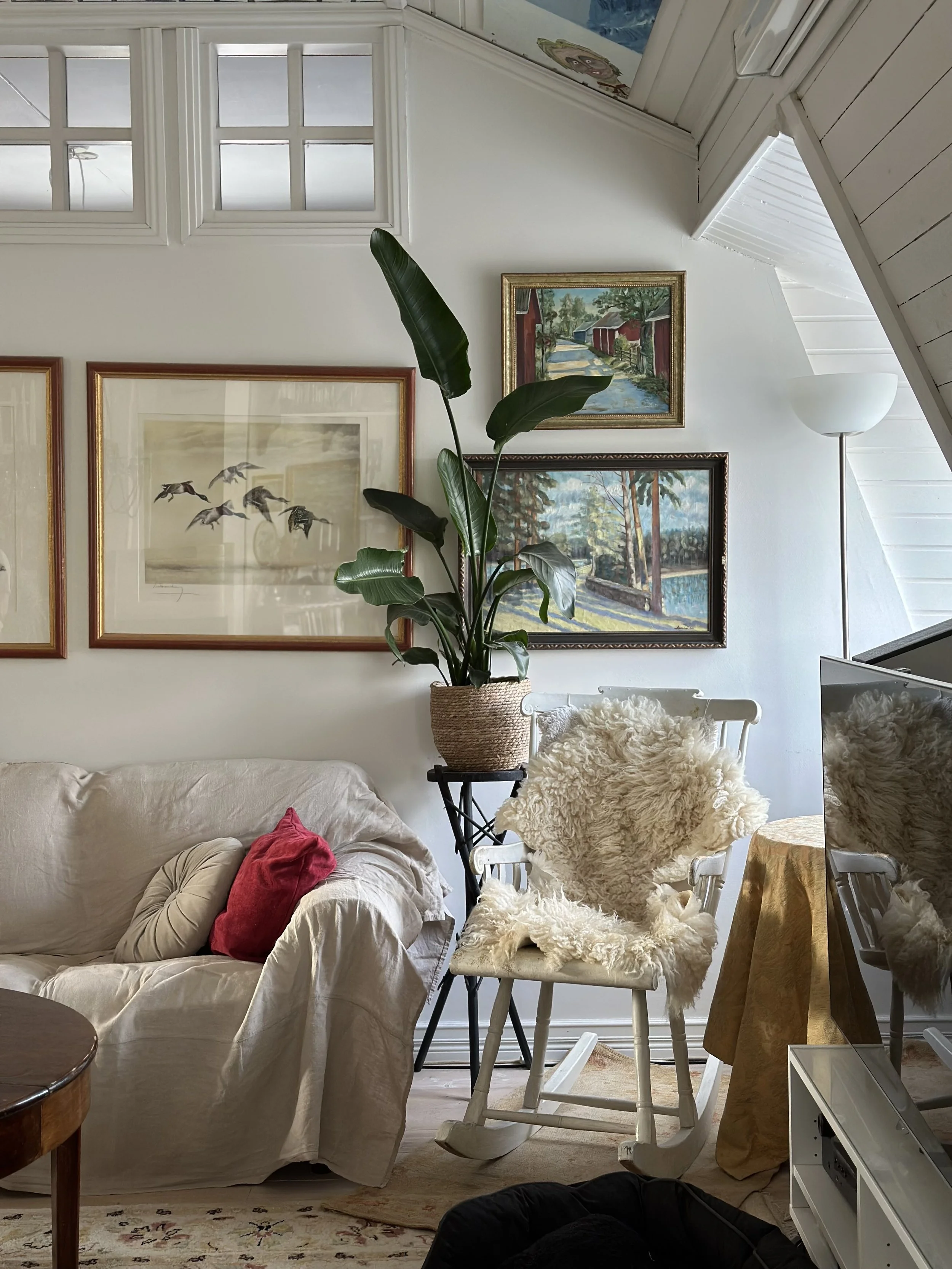
This fall, I'm going to Oslo, and I'm not booking a hotel. Instead, I'm staying in a local's home through a home swapping platform while another traveler enjoys mine.
I'm Maritza, co-founder and COO of BONNEE, and I think about swapping more than most people. Our whole app is built on the idea that you don't always have to buy something new to get something new to you. So when I realized the same logic could change the way I travel, I was in.
Here's why home swapping is having a moment, why it might be the most sustainable way to see the world, and what it has in common with swapping clothes.
What Is Home Swapping, and Why Is Everyone Talking About It?
Home swapping (also called home exchange or house swapping) is a way to travel where you stay in someone else's home and they stay in yours, with no money changing hands for the stay itself.
It's not a niche hobby anymore. One of the largest home exchange platforms in the world reported 43% year-over-year growth in 2025, said its use has tripled over four years, and projected 15 million overnight stays in 2026. Mainstream outlets are covering it too, with ABC News describing travelers turning away from hotels and short-term rentals to try home exchanges.
If it feels like the plot of The Holiday, that's because it basically is. Two strangers trade homes, and suddenly someone else's life becomes your temporary one. (If you've been following our take on why fashion trends repeat every 20 years, you'll appreciate that the movie came out almost exactly 20 years ago and the idea is finally going mainstream.
Why Home Swapping Is One of the Most Sustainable Ways to Travel
I'm not here to lecture anyone about travel. But the logic is simple, and I like that it works without asking anyone to sacrifice anything.
A home swap uses a home that already exists. Nothing new has to be built, staffed, or stocked for your visit. You're also staying in a residential neighborhood, which means your money tends to go to local bakeries, markets, and restaurants rather than a hotel lobby. And because swaps tend to be longer and slower, you spend less time hopping between places and more time actually being somewhere.
It also takes pressure off the places we love. Many popular destinations are dealing with overcrowding and rising housing costs, and home exchange offers a way to visit without adding to the demand for short-term rental housing.
Why I Chose Oslo

Image credit: @nomundodejr jr/Pexels
I have loved Oslo and Norway for a long time, and a few things keep pulling me back.
The Nordic cozy culture. Hygge is technically Danish, and the Norwegian cousin is koselig, but the feeling is shared across the region: candles, wool blankets, long dinners, and a home that feels like a hug. It turns out that's the perfect mood to travel in, and it's even better when you're staying in an actual home instead of a hotel room.
Nature, minutes from the city. Oslo is a cosmopolitan capital with great food, museums, and design, and yet the forest and the fjord are never far away. You can have a gallery morning and a trail afternoon without renting a car or planning a whole expedition. That mix is rare.
The fashion. Scandinavian style is one of my favorite things to study: clean lines, great layering, quiet confidence, and a knack for making practical clothes look effortless. And here's the plan: I'm not shopping on this trip. I'm going to people-watch, take mental notes, and let Oslo's street style inspire what I pull from my own closet (and from BONNEE) when I get home.
Norway also has a reputation for being expensive to visit, which is exactly why a home swap makes so much sense. Staying in a real home with a real kitchen changes the math on the whole trip.
Taking Travel to the Next Level: What Changes When You Stay in a Real Home
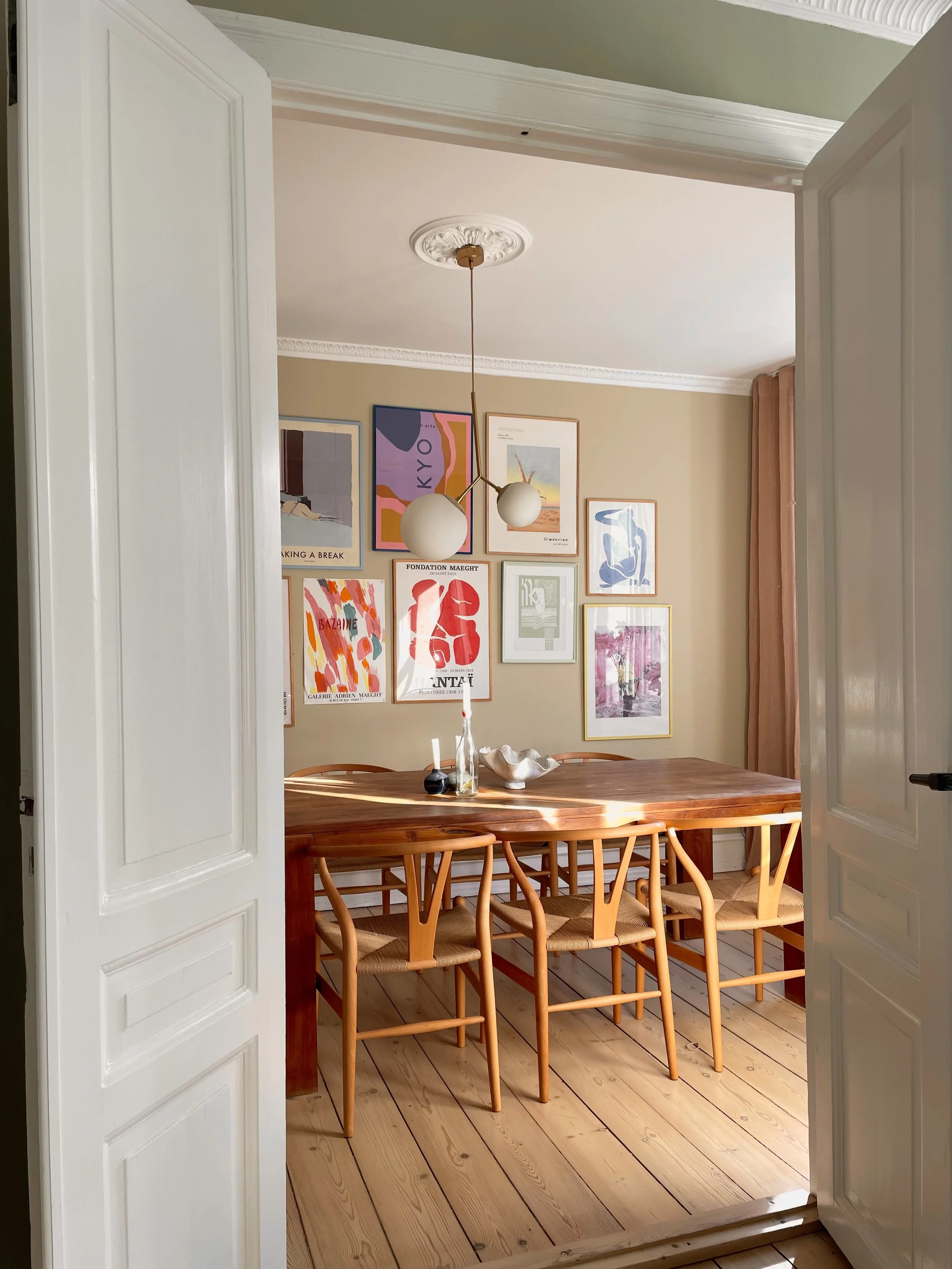
A hotel gives you a room. A home swap gives you a lived-in space, a neighborhood, and a host who can tell you which cafe to skip and which one to never miss.
You cook a few meals with local ingredients. You learn the tram routes. You end up with a version of the place that no guidebook gave you. That's what I mean by next-level travel. It's not about spending more, it's about getting closer to the place you're visiting.
How Home Swapping Works, Step by Step
If you've never done it, the process is simpler than it sounds.
Create a profile and list your home. Add photos, a description, and the dates you're open to swapping.
Browse destinations. Search by country, city, or region, such as Norway, Oslo, or Bergen.
Message potential hosts. Chat first, ask questions, and get comfortable before anything is agreed.
Agree on dates and house rules. Cover things like pets, plants, parking, and how you'd like the home to be left.
Swap keys and enjoy the trip. Leave a welcome note and a few local recommendations.
Travel experts also recommend a few smart habits. Vet the other party by asking for references and reading past reviews, and check that your own home insurance policy covers a guest staying in your home.
Home Swapping and Clothing Swapping Have More in Common Than You'd Think

Here's the part that connects to my day job. Home swapping works because of reciprocity. You open your door, and in return you get access to a whole world of doors that were closed before. You can't just show up and take. You have to put something in to get something out.
BONNEE works the same way. Your closet is your currency. You post pieces you're not wearing, earn Swap Coins based on their tier, and use them to claim any item of equal value from anyone on the platform. It's an open marketplace built on trading rather than buying or selling. (A small BONNEE-Backed protection fee and shipping apply when you claim an item.)
And just like a home swap, it only works when people show up with something to offer. BONNEE isn't a store. The more users post, the more there is to find, and the better the browsing gets for everyone. If you've downloaded the app and haven't listed anything yet, that first post is the key that opens the door. [See how to post your first item]
It also happens to be a great way to pack for a trip. Fall in Oslo means layers, cozy knits, and something waterproof, and I'm packing from my own closet and a few pieces I swapped for on BONNEE, with no shopping on the itinerary. The only thing I'm collecting in Oslo is outfit inspiration.
Home Swapping FAQs
What is home swapping? Home swapping, or home exchange, is a way to travel where two parties stay in each other's homes instead of paying for accommodation. Swaps can happen at the same time or at different times, depending on the platform and the arrangement.
Is home swapping really free? You don't pay a nightly rate for the stay, but many platforms charge a membership fee, and you'll still cover costs like flights and meals. For many travelers, the savings on lodging still add up quickly.
Is home swapping safe? Most platforms build in profiles, reviews, and messaging so you can get to know someone before you agree. It's smart to ask for references, read past reviews, and confirm your home insurance covers a guest.
Can you do a home swap in Oslo or elsewhere in Norway? Yes. Home exchange listings are available across Norway, including in Oslo, Bergen, and other regions, ranging from city apartments to cabins and family homes.
What is BONNEE? BONNEE is a clothing swap marketplace. Users post clothes they no longer wear, earn Swap Coins, and use them to claim pieces from other users' closets. It's free to download on the App Store and Google Play.
I'll share how it all goes when I'm back. In the meantime, if you're curious about swapping, whether it's a home or a closet, start small. Post one piece you're not wearing, and see what comes back.