

Secondhand September 2026: What It Is, Why It Matters, and How to Swap Instead of Shop
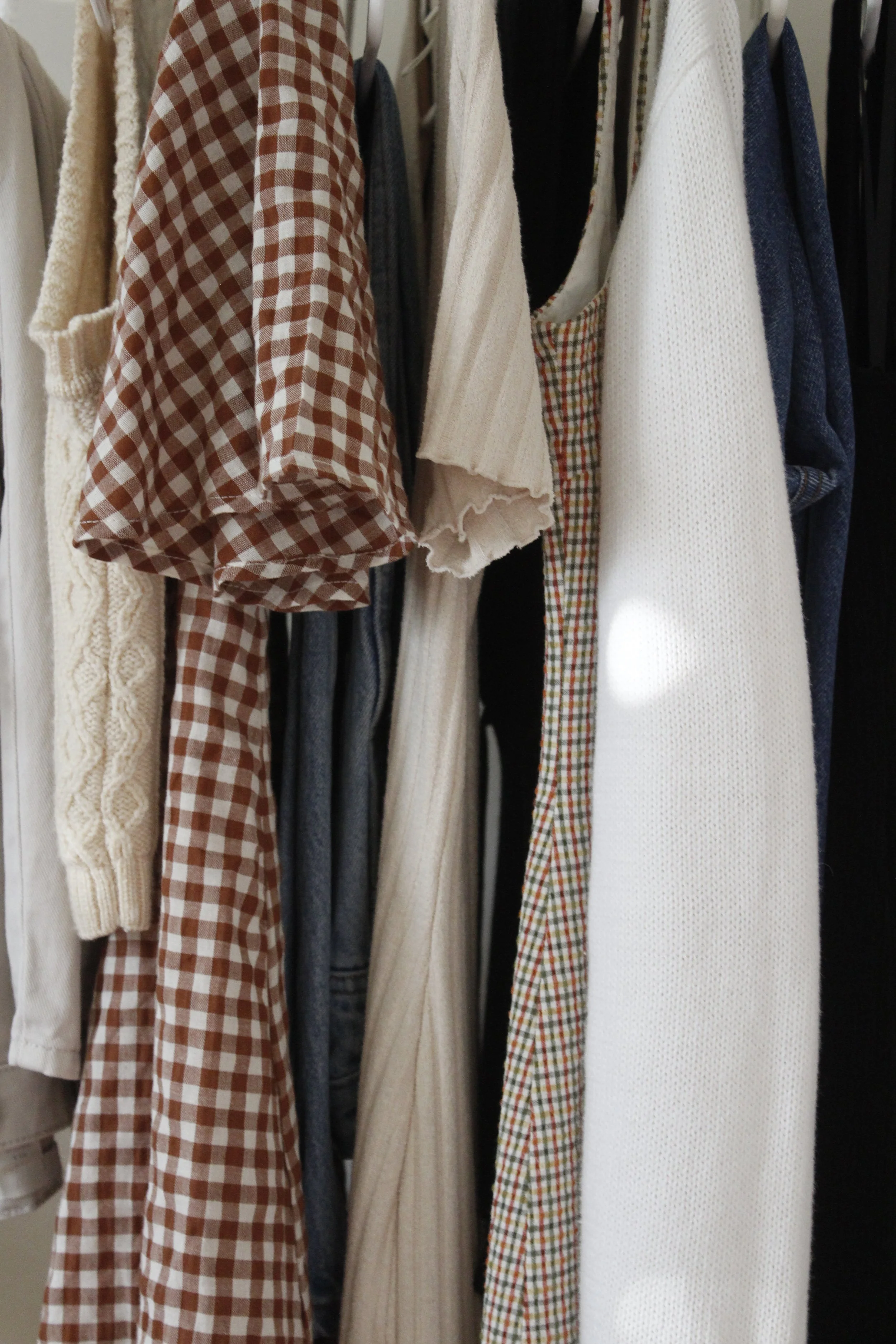
Image credit: Amy Rickard
Secondhand September is an annual challenge, started by Oxfam, that asks people to buy only pre-loved clothing for the month of September. It began as a simple pledge and has grown into one of the most recognized moments in sustainable fashion, and it lands at the same time more people are looking for an easy, low-friction way to refresh their closet without buying anything new. That is exactly where BONNEE comes in.
What Is Secondhand September?
Secondhand September is Oxfam's annual campaign encouraging people to shop, swap, and donate pre-loved clothing for the month of September and beyond, rather than buying anything new. Oxfam has run the campaign for several years now, building on its history as what it calls "the Second Hand Originals," a reference to opening one of the first charity shops on a British high street back in 1947.
The mechanics are simple. Participants pledge to go 30 days without buying new clothes, shop secondhand instead when they need something, and share what they find using #SecondHandSeptember.
Why Secondhand September Matters
The numbers behind the campaign are worth sitting with, not as a guilt trip, but as a snapshot of how clothing actually moves through our lives right now.
Globally, the fashion industry generates an estimated 92 million tons of textile waste every year, and roughly 87 percent of that ends up incinerated or in landfill. Only around 20 percent of discarded textiles are collected for reuse or recycling at all, and of that, barely 1 percent is recycled into new garments. In the United States specifically, the average person discards about 112 pounds of textiles a year, and of what gets thrown away, 66 percent is landfilled and 19 percent is incinerated, leaving less than 15 percent actually recycled.
None of this means anyone is doing fashion "wrong." It just reflects how easy it has become to buy something new and how much harder it still is, for most people, to give a piece of clothing a second life. That gap is the whole reason a campaign like Secondhand September exists, and it's the same gap BONNEE was built to close.
The Secondhand Movement Is Bigger Than One Month
Secondhand September works because it taps into a shift that is already well underway. According to a 2026 resale market report, the global secondhand apparel market grew 13 percent last year, even as new apparel sales stayed flat, and it's on pace to reach roughly $393 billion by 2030, growing at close to twice the rate of the overall apparel market. In the US alone, resale is expanding about four times faster than traditional retail, with the market projected to hit $78.8 billion by 2030.
What's most telling is what's actually holding the category back. Industry analysts point to supply, not demand, as the real constraint on growth: there simply isn't an easy enough system yet for turning the clothes sitting unused in people's closets into clothes someone else actually wants. That's less a demand problem and more a plumbing problem, and it's the exact problem a swap-based model is designed to solve.
Where BONNEE Fits Into the Secondhand Movement

Image credit: BONNEE
BONNEE is a clothing swap marketplace built around one idea: your closet is your currency. Instead of listing an item and hoping to find one specific person willing to trade you back, you post what you no longer wear and claim anything of equal value from anywhere on the platform, using a tiered Swap Coin system (Silver, Gold, and Platinum) that keeps exchanges fair without anyone needing to haggle or wait on a single match.
That structure is what makes BONNEE a genuine answer to the supply problem behind the secondhand boom. It turns "I have clothes I don't wear" directly into "I have clothes I actually want," without the friction of listing something for resale and waiting for a buyer, and without needing two people to want each other's exact items at the exact same time. We built BONNEE around the belief that sustainable fashion works best when it's simply the easiest option, not when it asks people to shop with more guilt or more effort. Swap before you shop, and the rest tends to follow naturally.
How to Join Secondhand September with BONNEE
You don't have to wait until you've sworn off new clothes entirely to take part. A few ways to make this September count:
Go through your closet and pull out anything you haven't worn in the last year. That "32 percent of wardrobes unworn" statistic usually has a very specific pile behind it, and most closets have one.
List those pieces on BONNEE and see what you can claim instead of buying something new this month. Every swap is one less new garment produced, and one more piece of clothing getting worn instead of sitting in a drawer.
Share what you find. Whether it's for #SecondHandSeptember or just because you're proud of a great swap, showing other people how easy it is tends to do more than any amount of messaging about why it matters.
Secondhand September FAQ
What is Secondhand September? Secondhand September is Oxfam's annual campaign encouraging people to buy only secondhand clothing for the month of September, rather than buying anything new, as a way to reduce fashion's environmental footprint.
Do I have to stop shopping secondhand after September ends? No. Secondhand September is designed as an entry point, not a deadline. Most people who take the pledge keep at least some secondhand habits going year-round, and platforms like BONNEE are built for exactly that kind of ongoing use.
What is a clothing swap marketplace? A clothing swap marketplace lets people exchange clothing they no longer wear for items they actually want, using a value-based system rather than a direct cash sale or a one-for-one trade with a single other person.
How is swapping on BONNEE different from thrifting or reselling? Thrifting means searching racks and hoping to find something in your size, and reselling means listing an item and waiting for a buyer. On BONNEE, you list what you no longer wear and can claim any item of equal Swap Coin value from anyone on the platform, so you're not limited to what one thrift store happens to have in stock or waiting on one specific buyer.
Why does secondhand fashion matter environmentally? Producing new clothing is resource intensive, and most discarded textiles are never recycled. Extending the life of a garment through resale or swapping, rather than replacing it with something new, reduces the demand that drives that production in the first place.
Ready to see what's sitting unworn in your own closet? Browse BONNEE and see what you could swap it for, or read more about how BONNEE's Swap Coin system works. You can also check out our other posts on the BONNEE blog for more on sustainable fashion and how swapping fits into it.